Container Cavity Packing: How Mixed Orders Slash Oceanic Freight Costs
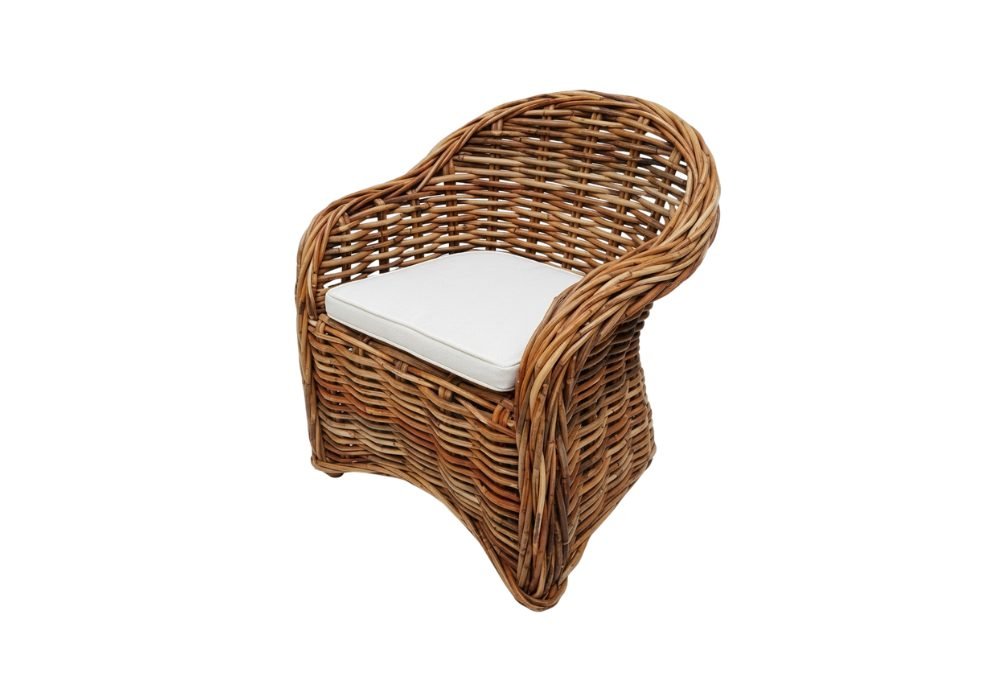
In short: Because we make baskets and seating in the same facility, we pack nested basket sets inside sofa and armchair cavities, which our packing plans put at up to 28% more usable container volume.
Why is freight the main cost of bulky furniture?
The primary barrier to importing bulky natural furniture has always been ocean freight cost per cubic meter. Shipping an empty armchair or high-back daybed means paying freight on empty air inside the frame.
How 3D cavity nesting works
To solve this for our international retail clients, our Cirebon packing engineers calculate 3D container cavity nesting plans. Because we manufacture both modular storage baskets and contract living seating in the same facility, we pack 3-in-1 nested basket sets directly inside the seat cavities and undercarriages of sofas and armchairs.
What it does to landed cost
This combined loading methodology increases total container usable volume by up to 28%, effectively reducing the landed logistics cost per unit for both retail stores and contract projects.
A worked example of cavity packing
Imagine a container loaded only with armchairs. Each chair has an open seat cavity and space under the frame, and all of that volume ships empty. Now place a nested set of three baskets in each seat cavity. The baskets travel inside space already paid for, so the container carries the same chairs plus the baskets, and the freight per unit falls. The figure of up to 28% more usable volume comes from our packing plans for this kind of mixed load, and results vary with the models selected.
What has to be true for cavity packing to work
- One facility makes both products. Basket sizes can be matched to chair cavities at the design stage.
- Cartons are planned in 3D. Each load is modelled before packing so nothing is crushed.
- Protection is built in. Export master cartons are 5-ply and drop-tested to ISTA standards.
- Moisture is controlled. Nested goods are all dried to 10%–12% moisture content before they go in.
Is cavity packing right for every order?
It suits mixed orders of seating and storage. A container of only baskets, or only tables, has less to gain. If you are planning a first shipment, send us your wish list and we will tell you honestly where nesting helps and where it does not.
What buyers should ask any supplier about mixed loading
- Do you plan container loads before packing, or load by hand on the day?
- Which product combinations have you nested before?
- How are nested items protected from crushing and moisture?
- Can you show the loading plan for a similar container?
A supplier who answers these in detail has done it before. One who answers in general terms may be improvising on your container.
What mixed orders mean for you
- You can combine baskets, chairs and tables in one 40' High-Cube container.
- Lower dead space means a lower freight cost per unit.
- One supplier, one shipment and one set of export documents.
Plan quantities with our guide to how MOQ works for rattan furniture, and see the payment and port details in the Buyer FAQ.
Planning a wholesale or OEM order?
Browse the full catalog, read the Buyer FAQ, or talk to us about OEM and private label.