What Is Kubu Rattan? Types, Colours and Uses
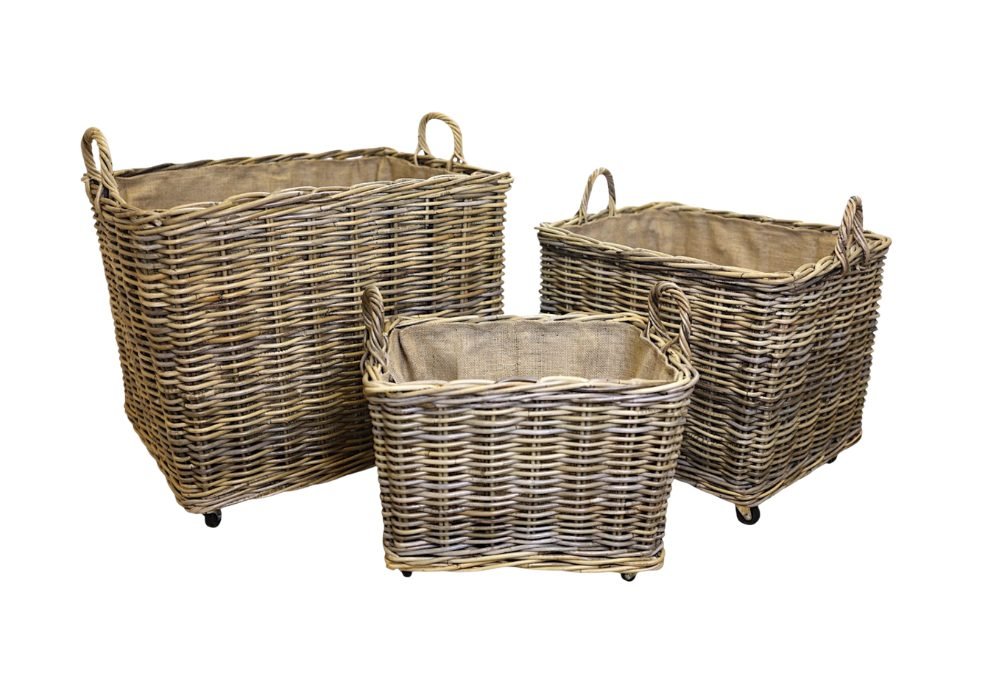
In short: Kubu rattan is thick rattan with the bark left on. Kubu Grey is that rattan cured for 4 to 6 weeks in mineral-rich clay ponds to a natural ash-grey tone. Rattan is a palm, not wood.
What is Kubu rattan?
Kubu rattan is thick rattan with the bark left on. Rattan itself is the stem of a climbing palm that grows in tropical forests, mostly in Southeast Asia, and Indonesia is a major source. "Kubu" is the trade name for the thicker, unpeeled poles that are used for furniture frames and heavy baskets. It is still rattan; Kubu simply describes how the pole is prepared. For the difference between rattan, cane and wicker, read Rattan vs Wicker vs Cane.
Is rattan wood?
No. Rattan is a palm, not a tree. It is solid, strong and flexible when steamed, which is why it can be bent into curves that wood cannot. That is why many pieces combine a rattan body with a solid hardwood frame or legs.
What is Kubu Grey?
Kubu Grey is Kubu rattan cured to a soft, weathered ash-grey tone. It is a natural curing process, not a paint: unpeeled poles are submerged for 4 to 6 weeks in mineral-rich clay ponds in Cirebon, where the minerals react with the tannins in the bark. The poles are then washed, sun-dried and finished with a non-toxic water-based matte sealant. Because the colour comes from a natural reaction, no two poles are identical. The full process is explained in Mud-Pond Curing.
The main types of rattan you will see on a spec sheet
- Kubu (unpeeled pole): thick rattan with the bark left on, cured to Kubu Grey or kept natural. Used for frames, lounge chairs and heavy storage baskets.
- Manau: large-diameter poles, about 28 to 35 mm thick, steam-bent into chair spines and architectural loungers.
- Rattan core (reed): the round inner strands left after the skin is peeled, cut into strands for weaving baskets and furniture.
- Rattan peel: the flat outer skin, used for binding and weaving. Our Natural CL Toasted rattan uses sun-cured peel.
- Cane: the hard outer skin peeled in thin ribbons and woven into webbing for chair seats and cabinet doors.
Kubu rattan vs natural rattan: how do the colours compare?
Kubu Grey gives a cool, grey look that pairs well with linen, recycled teak and neutral interiors. Natural CL rattan has a warm honey tone. Many retail buyers offer both, one cool and one warm, from the same factory. Slight shade differences between pieces are normal with natural materials. If you need strict consistency, we can agree a colour range at the sample stage.
What is Kubu rattan used for?
At Exterio Rattan we use Kubu and natural rattan across our living suites, lounge and dining chairs, trunk and side tables and woven storage baskets. Its strength, light weight and natural texture suit indoor living as well as hospitality interiors.
How to tell real Kubu Grey from a dyed imitation
- Scratch test: on a dyed surface a fingernail can lift the colour and show a lighter layer. Cured Kubu keeps its tone.
- Smell: solvent dyes can leave a sharp chemical odour, especially in a closed carton.
- Variation: real curing produces natural shade differences between poles.
- Ask about the process: a factory that cures its own poles can describe the pond, the time and the washing.
Kubu rattan or synthetic wicker?
Synthetic wicker is made from resin and is usually chosen for permanent outdoor use or the lowest price. Natural Kubu rattan is a plant material with a warmer look and a long life indoors with sensible care. See Kubu Rattan vs Synthetic Wicker for a buyer's comparison.
Buying Kubu rattan products from Indonesia
If you are sourcing Kubu rattan furniture or baskets, ask the factory for the material name (Kubu, natural CL, core or peel), the finish and whether the timber is SVLK certified. Every piece is kiln-dried to 10% to 12% moisture content before packing, which protects it during sea freight. Learn more about SVLK certified rattan and ordering baskets in bulk, or send us your product list for a quotation.
Looking for Kubu rattan products?
Browse the full catalog, read the Buyer FAQ, or send your inquiry to info@exteriorattan.com.